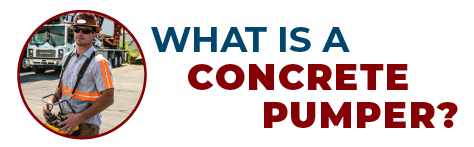
What often defines you as a pump company is the equipment that you own and operate. When you run across another pumper, the questions that are often asked first are where you are located and how many pumps you run. To pump concrete requires concrete pumps, which are the biggest capital expense for a pump company. Having the right amount of equipment in the right place is essential if you want to maximize profitability. Too little of the size needed and you risk the potential of unsatisfied customers going elsewhere to find the equipment they need. Too many pumps parked against the fence can mean your capital and operational costs can go through the roof.
Concrete pumping is a critical process in construction, and the reliability of the equipment used can significantly impact the efficiency and safety of the operation.
In today’s climate of heightened legal liability, construction-related nuclear verdicts (judgments exceeding $10 million) are becoming increasingly common. For concrete pumping companies, these massive payouts present a serious risk. A single equipment failure, truck accident or onsite mishap could unleash a flood of lawsuits, cutting into productivity, profits and future contract prospects. As the stakes grow higher, ensuring you have the right amount of liability insurance is no longer optional — it’s a strategic safeguard for your company’s survival.
During World of Concrete 2025, the concrete industry’s largest annual gathering, the American Concrete Pumping Association (ACPA) announced the launch of the Coworker Safety Training program. Designed for contractors who work with and around concrete pumps, the program aims to bolster safety and education for more than 56,000 concrete contractors across the U.S.
The American Concrete Pumping Association is proud to present the 2024 recipients of the Bob Weatherton Scholarship: Leighton Landreth, Isabella Guerini and Katie Glasco. These students embody the leadership and spirit that is integral to the legacy of the late “Big Bob” Weatherton of The Concrete Pump Store in California. Bob served on the ACPA board of directors for more than 40 years and was one of the industry’s most avid champions.
Dale Bone, Sr., a pioneer in the concrete industry and co-founder of Brundage-Bone Concrete Pumping was a dedicated advocate of the industry and a long-serving ACPA Board Member. In his honor, the Bone family established a one-time scholarship fund using the generous contributions made in his memory. This scholarship will support future generations while preserving Dale’s enduring legacy.
The ACPA announced the election of its new executive board at the ACPA Annual Meeting and Awards Presentation on January 22, 2025, in Las Vegas, Nevada during World of Concrete 2025. Elected to serve a one-year term, the newly elected Executive Board includes:
Safety is one of ACPA’s highest priorities. Recognizing operators who exhibit exemplary practices is one way to foster a culture of safety at every level in the industry. Nominations for ACPA’s Safe Operator of the Year were submitted by member companies and included at least one recommendation from a supervisor, coworker or customer. As a condition of award consideration, all nominees held valid ACPA operator certifications. An independent safety consultant selected the winner according to the criteria of safety record, workforce development and a spirit of furthering the industry.